Lawena

n. Getting, acquiring, taking, carrying, acquisition; movement, as of dancing hands. Pehea ka lawena a ka ipo? (song), how to get a sweetheart? Ka lawena a ka maka, flirtatious summons of the eye. (Pukui – Hawaiian English Dictionary)

kik Behavior, as the way people or animals act. Dic., ext. mng. Aʻo kahua lawena. Performance-based learning, kinesthetic-based learning. Lawena ʻike hānau. Instinctive behavior. Lawena ʻapo. Learned behavior.

This word, lawena, is derived from the word lawe, to take or bring. In order to get anything or acquire anything you have to physically take it, get it, bring it. So lawena is really a combination of lawe + ʻana – taking/bringing.

In the Hawaiian dictionary called Māmaka Kaiao, published by the ʻAha Pūnana Leo and the Hale Kuamoʻo (the dictionary for newly coined Hawaiian words), lawena refers to behavior, as the way one acts. Ones lawena is an important part of oneself. It is in how we “behave” that determines what kind of person we are. We, as human beings, have universal lawena, but I also think there are specific behaviors that are unique to our different ethnicities/upbringings. If you were to compare, for instance, a Hawaiian with a German, you could come up with a list of differences in their lawena, in the way they use their eyes or hands, how they approach different situations, etc.

No matter what you are doing, always be aware of your lawena. Someone once told me that your lawena is what you do and how you behave when no one is around to witness it.

It is an interesting discussion to talk about lawena of different people, ethnicities, male female, young child, teenager, kupuna. What are some lawena that are unique to your ʻohana?

ʻO ia ka lawena o ia ʻano poʻe – That is the behavior of those kinds of people.

E makaʻala i ka lawena – Be aware of [your] behavior.
Posted in Uncategorized | Leave a comment

ʻIke Kuʻuna

  1. Traditional knowledge

There is much talk today about what being Hawaiian means, whether it means you have the koko (blood) or you can ʻōlelo Hawaiʻi, or you know the history and the culture of Hawaiʻi or you take part in the Hawaiian traditions. And the debate goes on. You certainly won’t find the answer in this He Momi, although I do believe that knowing, valuing and participating in “traditional knowledge” is a key aspect.

There is a base of knowledge that has been passed down through generations that is unique to Hawaiʻi and to being Hawaiian. This can include body language, fishing and farming methods, child raising techniques and family practices, beliefs and superstitions, and a certain spiritual connectedness that spans centuries. This is ʻike kuʻuna. ʻIke is the Hawaiian word for knowledge and kuʻuna translates as traditional or hereditary. Traditional knowledge.

Knowing the best time to plant taro or sweet potato according to the season and phase of the moon. That is ʻike kuʻuna. Not putting your hands behind your back when talking with someone because that is a sign of wishing bad upon the person you are talking to or that you are hiding something. That is  ʻike kuʻuna. Naming your child after an event, a family member, or because a name “came” to you in a dream. That is  ʻike kuʻuna. Not saying you are going fishing when you are going fishing. That is  ʻike kuʻuna.

Learning about  ʻike kuʻuna is an all important step to connecting to part of what it means to be Hawaiian or being sensitive to Hawaiians and all that has gone before us here in Hawaiʻi. But, really, no matter what ethnicity you are, everyone has their own ÿike kuÿuna that should be embraced, valued, and used. What was good for our ancestors, in a time when living in harmony was a necessity to survival (and this is the case for most minorities!) and the environment and all living creatures were respected and cared for, should be good for us.

E nānā mau kākou i ka ʻike kuʻuna o ko kākou mau kūpuna – Let us always look to the traditional knowledge of our ancestors.

Copyright: 2015 – Liana Iaea Honda. All rights reserved. All versions of He Momi e Lei ai”, in its entirety, past and present, is the property of L. K. I. Honda. Reproduction and use of any kind other than the sharing of this website is prohibited. Alteration to the original content in any form is prohibited in every and any instance, and use in any other variant is prohibited without written consent of the author. Adress inquiries to: hemomi [at] gmail.com. Definitions and wise sayings are from: Hawaiian Dictionary by Pukui and Elbert, 1986. ʻŌlelo Noʻeau – Hawaiian Proverbs & Poetical Sayings by Mary Kawena Pukui, 1983.

Posted in Uncategorized | Leave a comment

Nahā

1. vs. Cracked, broken, as a dish; smashed to bits, as masonry; to act as a purgative; to split; loss of virginity. See ex., koʻokā. Lāʻau nahā (FS 129), purgative. ʻAila nahā, ʻaila hoʻonahā, castor oil. Umauma nahā (FS 195), hunger. hoʻo.nahā To smash, shatter, crack, split; to take a purgative (PEP ngahaa.)

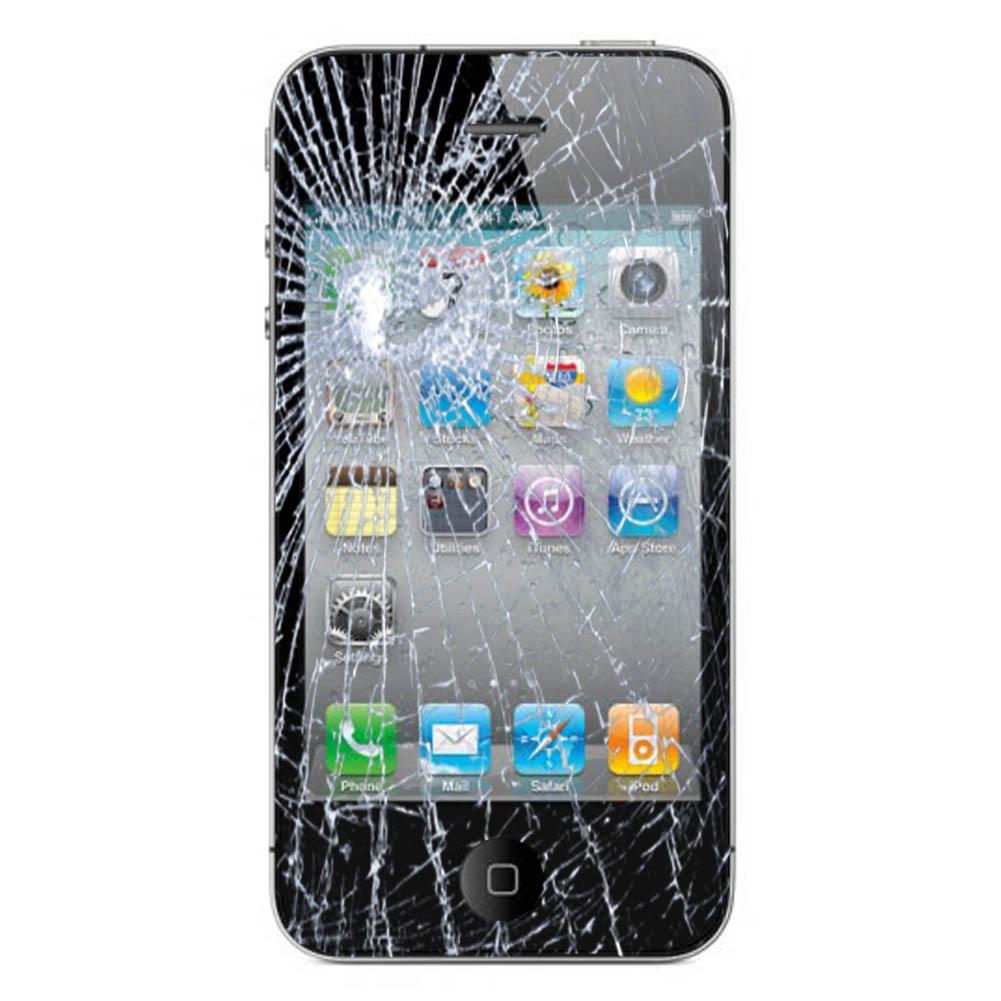
Well it finally happened. After having several iPhones since 2007 (when they first came out), I managed to shatter my iPhone 6’s screen. Nahā. I suppose, as you look at the translations above, you could see it as a loss of my phone’s virginity. And now I don’t want it anymore. Nahā. Ua nahā ke kelepona lawe lima – The cell phone is cracked.

iphone-4-broken-screen-repair

Interesting to note that nahā also refers to a loss of viriginity and I wonder if this is a post contact translation of the word. Hmmm…

Ua makemake koʻu kupuna wahine i ka ʻaila hoʻonahā – My grandmother liked castor oil.

E hoʻonahā ana ka ʻaihue i ka pukaaniani – The thief is going to smash the window.

Ua hiolo na mea maluna o kona hale, ua naha ke aniani ma na puka makani – The things fell on top of his house, the glass cracked in the windows. (Ke Kumu Hawaiʻi 1835)

Ku iki ka waapa ma ke kae o ka wailele a lele iho la. Naha loa ka waapa, a make hoi ke kanaka.  – The boat stayed briefly on the edge of the waterfall and then fell. The boat was smashed to smithereens and the man died. (Ke Kumu Hawaiʻi 1837)

Posted in Uncategorized | Leave a comment

Kunukunu

1. vi. To grumble, complain; displeased, dissatisfied.

2. Redup. of kunu 1, 2. (PCP tunutunu, to broil, to cough).

Someone in my hale (house) has a horrible kunukunu. This someone did a little too much traveling for work. It happens a lot. Go on a long trip. Get sick. Hopefully not ON the trip. Everyday. Morning. Noon. Night. Kunukunu. Another word for cough is kunu. And obviously kunukunu is just a reduplication of the word kunu. Many times this adds a bit more drama to the word. Someone around you coughing. Auē, ke kunu nei ʻoe. Oh my, you’re coughing. Someone around you really coughing a lot? Auē, kunukunu! Oh my, COUGHING!

Our modern day remedy for kunukunu includes a combination of lemon, honey and ginger. Taken in a tea or just a spoonful. Chop up the lemon and ginger. Small is good for the ginger. Pour raw honey (if it comes in one of those cute bear containers it probably isn’t raw). Raw honey should say “Raw Honey” on the container and will crystallize eventually. This is the honey that has the healing qualities you need.

Interesting to note that the first translation for kunukunu is to grumble and complain. Excerpts of old articles show use of kunukunu to point more towards this translation than for coughing:

…aole mea nana e kunukunu aku, o koonei makemake ke aloha, ke kuka ana, a me ka noho oluolu. – There is nothing to complain about, my desire is love, discussion, and residing in pleasantness.  (click here for source).

“Pela wale no oia ma na mea e ae a pau aʻu e haawi aku ai, hana no oia me ke kunukunu ole; a ina hoi he paakiki, hoomanawanui aku la no oia a paa, alaila pau ae la.” – “That is how he is in everything else that I gave [him], he did it without complaining, and if it was something difficult he was patient until it was made firm and then it was completed.” (referring to Abraham Lincoln)

Posted in Uncategorized | Leave a comment

Mao

1. vs. Cleared, as rain; alleviated, assuaged, as grief; to clear up, as rain; to pass, as sadness. Ua mao aʻela ke kaumaha, the sadness has ceased. (PPN mao.)

2. vi. To fade, as cloth.

3. n. Type of fish. (KL. line 158.) Cf. maomao.

Hawai’i has been inundated with ua. Rain. And lots of it. Listening to the ua sounding on every bit of roof, gutter, cement, road, grass, leaves, lehua. It cleans my soul.

Today’s He Momi, mao, refers to the clearing of rain. It is over, it is passed. While I do love the ua, I am tired of trudging in my yard and feeling like it is swamp like. I am tired of the grass, too long for me, because the ground is so soft that even when the ua has cleared, the riding mower will not be able to traverse certain areas of our property. By posting mao as today’s Hawaiian word, I am using the power of intention.

Ua mao. The rain has cleared.  As rain is symbolic of sorrow in Hawaiian, the term mao is also symbolic of that emergence from grief. I hope that for those of you who may be experiencing sadness and grief these days that it, like the rain, although heavy on your shoulders, wills soon lift and clear skies and the brightness of day will lift restore joy to your soul.

Ua mao aʻela ke kaumaha – The sadness has ceased.

Uē ka lani, ola ka honua – When the heavens weep, the earth lives.

Copyright: 2015 – Liana Iaea Honda. All rights reserved. All versions of He Momi e Lei ai”, in its entirety, past and present, is the property of L. K. I. Honda. Reproduction and use of any kind other than the sharing of this website is prohibited. Alteration to the original content in any form is prohibited in every and any instance, and use in any other variant is prohibited without written consent of the author. Adress inquiries to: hemomi [at] gmail.com. Definitions and wise sayings are from: Hawaiian Dictionary by Pukui and Elbert, 1986. ʻŌlelo Noʻeau – Hawaiian Proverbs & Poetical Sayings by Mary Kawena Pukui, 1983.

Posted in Uncategorized | Leave a comment

Hāʻulelau

Autumn. No Hawaiian word; terms sometimes used: hāʻule lau, laʻa make, laʻa ʻula, ke kau o hāʻule lau.

Today is the official last day of fall break for those with kids in school. Or my teacher friends out there. Thus today’s Hawaiian word: hāʻulelau. Sometimes you might see it written as two words: hāʻule lau.

Literally: hāʻule – to fall; lau – leaf/leaves. Super literal, right? Yeah. So there is no “official” Hawaiian term for fall because seriously, do you see fall happening here in Hawaiʻi? No leaves are changing colors on the trees in preparation for the winter’s freezing temperatures. We have lots of leaves. They are all green.

There are basically two seasons in Hawaiʻi: Kau (summer) and Hoʻoilo (winter). And we definitely have the signs that usher in those seasons that are quite unlike the signs you would experience in North America. These are signs that Hawaiians look forward to, depending on the season approaching. For now, surfers are looking forward to bigger waves, beachgoers are looking forward to whales arriving. Many are looking forward to cooler temperatures. Apples should be ready soon (if not already) up at Keanakolu and I wonder how the plums are doing in Kokeʻe. And then there are all the citrus trees. YUM FOR TANGERINES! And Kaʻū oranges. And all the lemons coming into season.

Many elementary teachers have no problems teaching our local kids about the four seasons typically experienced by North American-ers and Europeans. But what about teaching our own two seasons here and then building upon that? How about creating a book or posters about seasons in Hawaiʻi? (Stepping off of my soapbox right about now.)

Have a great last day of vacation!!!

ʻAʻohe kau hāʻulelau ma Hawaiʻi – There is no fall season in Hawaiʻi.

Ke hāʻule nei nā lau ma Wakinekona – The leaves are falling in Washington.

Hāʻule ka hau ma nā kau a pau i Hawaiʻi – The snow falls in all seasons in Hawaiʻi.

Posted in Uncategorized | 1 Comment

Kika

1. vs. Slippery, slimy, as with mud. E ua ana ka ua a kika malama, ʻōlali kika ana kikika i ka ua (chant), the rain rains so that the month is slippery, bright, slippery, slippery in the rain.

2. Also tita n. Sister. Eng.

3. Also sida n. Cider. Eng.

4. Also tiga n. Tiger. Eng.

5. Also kida n. Cassia. Eng.

So today is the day I birthed my second child, Kika. No, her name isn’t really Kika. She has a grand total of three names (one name each for her maternal and paternal side plus a really long manu name that honors her place of origin, Waiʻanae).

We didn’t start off calling her Kika. Her older sister, Kalaʻi (and by older, I mean 21 months older) wasn’t even two when she was born so her language skills were very minimal. We started referring to her little sister as TITA. You know. Tita (tee-tah). Not tita, as in you’re such a tita, which might sound logical living in Waiʻanae.

Well I guess when you’re less than two, and you are speaking more Hawaiian than English, the T sound is a bit more difficult. I am not sure. Nevertheless, Tita came out as Kika and it stuck for life. Same meaning. Sister.

The Hawaiian word, kika, is a transliterated word. Kika – sister. Tita. Same same.

Today’s He Momi is a birthday shout out to our Kika. She is a great tita for sure (and she can also be a tita, as in Waiʻanae), a wonderful daughter, loyal friend and BEST AUNTY EVER!

Aloha au iā ʻoe e Kika – LOVE YOU, KIKA!!!

Posted in Uncategorized | Leave a comment

ʻAla

1. vs. Fragrant, sweet-smelling, perfumed; fragrance, perfume (preceded by ke). Fig., esteemed chiefly. Mea ʻala, ointment, perfume. Ke ʻala kūpaoa, a strong heady fragrance. Ke ʻala punia, a fragrance so strong that it causes dizziness. Cf. ʻaʻala. hō.ʻala To perfume. (PNP kala.)

Fragrant, sweet-smelling. Mmmmm.  Sweet pīkake lei. ʻAwapuhi melemele or yellow ginger. Pakalana beauty. Whatever your favorite scented flower is…

Think of those sweet scents today as Hawaiʻi celebrates the life of Leinaʻala Kalama Heine. Tūtū, Mom, kumu hula, Hawaiian practitioner, supporter, beach going Waikīkī Surf Club enthusiast, and if you know ʻAla you know this list goes on. And on.

I remember ʻAla from as far back as when I was a student at Kamehameha. She started her hālau, Nā Pualei o Likolehua way back then and many of my friends danced for her. And her comical at times, elegant at times hula as she showcased with the Brothers Cazimero. She was the third brother! She was guest speaker at many workshops and lectures I attended. She continued to expand her own knowledge by attending Papakū Makawalu workshops. Always the teacher. Always the student.

She was there when my own kumu hula, Mililani Allen, was transitioning to her next life and helped to ensure that the hālau would continue by preparing an ʻuniki for my hula sister, Makalapua Bernard. She attended my ʻuniki to kumu hula with Hālau Mohala ʻIlima. I will always be grateful to my kumu and friend, Māpuana, for inviting ʻAla to be part of our ʻuniki celebration. She gifted each of us with a beautiful lei maile and her hug, I will never forget.

11205518_1040563385962376_1972793612610129557_n

pc: Kīhei de Silva

Mahalo, e ʻAla, no ka hoʻomālamalama ʻana mai i ko Hawaiʻi. Mahalo i ke kūpaʻa me ke kākoʻo no nā mea Hawaiʻi he kini ka nui, no ka hula, no ka mālama iā Maunakea, ka hoe waʻa a pēlā aku. Aloha nui ʻia ʻoe.

Posted in Uncategorized | Leave a comment

Lāʻau

1. nvs. Tree, plant, wood, timber, forest, stick, pole, rod, splinter, thicket, club; blow or stroke of a club; strength, rigidness, hardness; male erection; to have formed mature wood, as of a seedling; wooden, woody; stiff, as wood.

2. nvs. Medicine, medical. Hoʻohuihui lāʻau, paʻipaʻi lāʻau, chemistry.

If my calculations are correct (and since the ʻAimalama Conference I am trying to rely upon my own calculations as I kilo into the sky) we are in the Lāʻau moons — a series of three: Lāʻaukūkahi, Lāʻaukūlua, Lā’aupau. The waning phase. If you want to know what they look like (rather than me pulling a photo from the internet), go take a look into the night sky.

Lāʻau refers to plants, trees, most types of vegetations, and medicinal plants. You probably don’t want to be planting fruiting plants on the Lāʻau days as it is thought that the fruits would be “woody” and I have also read that you should avoid planting seed bearing plants. Other types of planting is maikaʻi. Lāʻau is also a good time to collect the plants needed for medicine. Yes. There are times that are better to collect lāʻau needed for healing because various parts of the plants are more potent at certain times of the moon phases. Some smart the kanaka.

Hānau ʻia i ka pō Lāʻau, he lāʻau nā iwi, he koa – Born was he on a Lāʻau night for his bones are hard and he is fearless (Said of a bold, fearless person).

He lāʻau kū hoʻokahi, he lehua no Kaʻala – A lone tree, a lehua of Kaʻala (An expression of admiration for an outstanding person, unequaled in beauty, wisdom or skill).

He lāʻau maka no ka nāhelehele – A green wood of the forest (An inexperienced person).

E noho ma lalo o ka lāʻau maka iho mai ka huihui, māʻona ka ʻōpū – Sit under a green tree. When the cluster comes down, the stomach is filled (serve a worthy person. When your reward comes you will never be hungry.)

Posted in Uncategorized | Leave a comment

Kilo

1. nvt. Stargazer, reader of omens, seer, astrologer, necromancer; kind of looking glass (rare); to watch closely, spy, examine, look around, observe, forecast. Cf. hākilo and below. Kilo aupuni, political expert. Kilo ʻuala, to examine sweet potatoes as in a new mound in order to thin. hoʻo.kilo Caus/sim. (PPN tiro.)

One big takeaway at last weekend’s ʻAimalama Conference (lunar conference on climate change) is the importance of kilo: watch closely, examine, observe, read the omens. Do this daily, multiple times a day. Note the moon cycle, the seasonal changes, the weather, the plants, the ocean, the fish. And so on. Pay attention to how the climate and the environment is changing. Global warming is real. If you haven’t felt the effects (outside of the weather), then you need to upgrade your kilo skills. The ocean and the bounty it provides is different. The earth is wetter. And dryer. In extremes. And it is having an effect on its bounty.

This post is not about the changes that are occurring so much as it is about each of us honing in  on our ability to kilo – to observe what is going on day after day and night after night. Pay attention to the rains and the winds, the clouds, the creatures. And figure out ways to adapt. I noticed the absence of honeybees (important pollinators) on my ʻāina. It got to the point where I had to hand pollinate my lilikoʻi. Now I have a beehive. Hoping that the bees will increase my small crop of lilikoʻi and create a larger bounty of kabocha in my yard and help my ʻōhiʻa lehua and koa to thrive.

IMG_6048

I am making a concerted effort to improve my kilo skills. I am completing my Kealopiko moon journal on a daily basis and have even set up a spreadsheet in my google drive.

Check out the moon phase project online. Post your photos to twitter and hashtag them #hiloiaapaa #kaulanamahina.

But more importantly, Use your kilo skills to be more aware of YOU and your surroundings. Every decision you make reverberates outward to the universe and causes change. Make it good change.

OLA!

Posted in Uncategorized | Leave a comment