Paʻahana

1. nvs. Industrious, busy, hard-working; workman, laborer, worker, industry.

2. n. Implement, tool, utensil, furnishings (Nah. 7.1). Mea paʻahana, tool, workman.

This word, when split into two words, gives you the BEST picture of what it means:

Paʻa – stuck, firm

Hana – work

Stuck to your work. If you are paʻa to your hana you must be busy because there is no chance for fooling around, glancing to and fro, getting distracted with all that is going on around you.

Hawaiians know paʻahana. Reflecting on my small kid time, I remember seeing all the kupuna out (and some makua) early in the morning raking up every single leaf on the ground. They were even sweeping the roads and picking up any debris surrounding their yard. They were hanging up clothes and straigtening up, feeding animals and whatever else needed to be done to keep their ʻāina immaculate. And then they had plenty of time to rest during the heat of the day if they so desired.

Foreigners used to see Hawaiians resting during the day and call them lazy, a stereotyping that continues today. But what they didn’t realize was that the work was all pau. Hawaiians are smart. Work when the sun is not blazing hot. Start early. Then relax during the heat of the day. Go beach. Read. Then start again when the sun starts going down. Go water the yard in the evening. It’s better for your plants anyway. And then in the evening, have ʻohana time with your loved ones.

Paʻahana. As my tūtū would say, “when time for work, work.” Stick to your work! Be paʻahana!

Copyright: 2015 – Liana Iaea Honda. All rights reserved. All versions of He Momi e Lei ai, in its entirety, past and present, is the property of L. K. I. Honda. Reproduction and use of any kind other than the sharing of this website is prohibited. Alteration to the original content in any form is prohibited in every and any instance, and use in any other variant is prohibited without written consent of the author. Adress inquiries to: hemomi [at] gmail.com. Definitions and wise sayings are from: Hawaiian Dictionary by Pukui and Elbert, 1986. ʻŌlelo Noʻeau – Hawaiian Proverbs & Poetical Sayings by Mary Kawena Pukui, 1983.

Posted in Uncategorized | Leave a comment

Lānui

n. Holiday, important or big day.

Today we celebrate, as a state holiday, Kamehameha Day. Today is a lānui – holiday.

If you separate the word into two:

lā – day

nui – big

Written separately, it would refer to a “big day”, as in an important day. Say you’re getting married or you have an important job interview. Then it would be a lā nui. But if we are talking holiday, which are big days in an of themselves, then you would put the words together. Lānui.

Today, on this lānui, I am going to spend it working in my yard, making it more bountiful. Kamehameha I, after uniting all the islands, worked alongside his people to assure abundant crops (after years of battle and neglect of fields) to feed the masses. I think he would appreciate that. Maybe I will head over to Kohala, land of his birth, to pay my respects to this fearless leader.

Kamehameha Statue in Kohala (the original)

Kamehameha Statue in Kohala (the original)

He lānui kēia lā – Today is a holiday.

ʻO ka lānui Kamehameha ka lā 11 o Iune – The Kamehameha holiday is on June 11.

Copyright: 2015 – Liana Iaea Honda. All rights reserved. All versions of He Momi e Lei ai, in its entirety, past and present, is the property of L. K. I. Honda. Reproduction and use of any kind other than the sharing of this website is prohibited. Alteration to the original content in any form is prohibited in every and any instance, and use in any other variant is prohibited without written consent of the author. Adress inquiries to: hemomi [at] gmail.com. Definitions and wise sayings are from: Hawaiian Dictionary by Pukui and Elbert, 1986. ʻŌlelo Noʻeau – Hawaiian Proverbs & Poetical Sayings by Mary Kawena Pukui, 1983.
Posted in Uncategorized | Leave a comment

Lolo

1. n. Brains, bone marrow. Kau ka lā i ka lolo, the sun rests on the brains [it is noon; usually now without other connotation, but formerly believed a time with great mana as a man’s aka (shadow, image) was no longer visible and was thought to have entered his sacred head—Nānā 123–4]. Lolo ʻeleu, active mind or intelligence. (PPN lolo, oily; PEP brains; cf. lololo 2.)

2. nvs. Religious ceremony at which the brain of the sacrificed animal was eaten (such ceremonies occurred at a canoe launching, start of journey, completion of instruction); to have completed the lolo ceremony, hence expert, skilled. He lolo ʻau moana, seafaring expert. Aʻo ihola ʻo Hale-mano i ka hula … pau ke aʻo ʻana, lolo ihola i ka puaʻa (FS 275), Hale-mano learned the hula … after learning, a pig was offered ceremonially.

3. n. Pithy, white sponge in a sprouting coconut. Also iho.

4. n. Long slender pole placed above the second ridgepole of a house, functioning as a batten for the attachment of additional layers of thatch. Also lolo ʻiole.

5. n. First brew made from ti root.

6. Short for hīnālea ʻakilolo, a fish. (PCP lolo.)

7. Same as holowaʻa, sheath covering coconut flowers.

8. interj. Serves you right! I told you so!

Now here are a couple of words that you might have heard growing up in Hawaiʻi. I remember my dad saying something to the effect of, “No be so lōlō.” And phrases similar to that. I am going to take this opportunity to clarify the differences between lolo (brain) and lōlō (crazy).

Most of the time, in hearing this word, it is “lōlō” or crazy. That is the correct word in pakalōlō, which literally means “crazy tobacco”, an appropriate translation for marijuana. Of course, the kahakō over the letter “o” mean that you have to stress the “OH” sound of the letters. Lōlō (LOH-LOH). When referring to someone a bit off of their rocker, so to speak, you probably want to use lōlō.

With lolo (no kahakō – loh-loh), it should be short and quick with the natural accent occuring on the first syllable. Lolo uila is the Hawaiian word for computer (literally meaning electric brain).

You may have heard of the ʻailolo (to eat brain) ceremony, a sacred ceremony in which the brain of a sacrificed animal is consumed, representing the attainment of a high level of skill and expertise. This ceremony is performed today when hula practitioners attain the status of kumu hula. The animal is a pig.

Kau ka lā i ka lolo literally means “the sun resting on the brain”. This is another term for noontime which is thought to be a sacred time of the day because one’s shadow is no longer visible. The shadow enters the sacred body.

Use it or lose it. Your lolo, that is!

Copyright: 2015 – Liana Iaea Honda. All rights reserved. All versions of He Momi e Lei ai”, in its entirety, past and present, is the property of L. K. I. Honda. Reproduction and use of any kind other than the sharing of this website is prohibited. Alteration to the original content in any form is prohibited in every and any instance, and use in any other variant is prohibited without written consent of the author. Adress inquiries to: hemomi [at] gmail.com. Definitions and wise sayings are from: Hawaiian Dictionary by Pukui and Elbert, 1986. ʻŌlelo Noʻeau – Hawaiian Proverbs & Poetical Sayings by Mary Kawena Pukui, 1983.
Posted in Uncategorized | Leave a comment

Lou

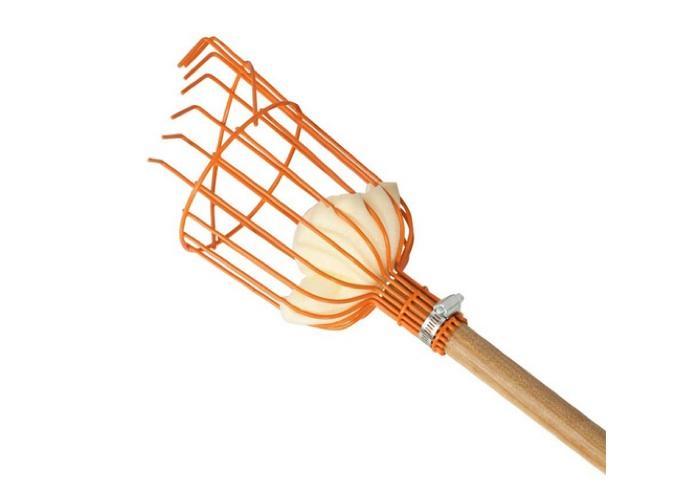
Hook; to hook, to fasten with a hook; to hook off.  2.  Very long fruit-plucking pole, with short sticks lashed obliquely near the end for plucking, as for breadfruit; to pluck.  3.  Pain in the side, stitch.  4.  Same as louulu.  5.  Tache, clasp.

During the summer Waiʻanae has choke mango (choke is a Hawaiʻi Island original word, you know, meaning plenty) and Hilo side has choke lychee.   It’s time for the lucky ones to take out the lou, the picking pole, grab it off the rack in the garage, under the house or its spot leaning against the tree.

1247274-Mango-picking-0

The longer your stick the better!

When I was young, growing up in Mākaha, we called it a mango picker.   I guess depending on where you live, you might call it something else! In Hāmākua, I use it to pick pea (avocados) or lemons. Now I call it a lou.

When I first bought a lou in Longs a few years back, I didn’t even know a lou was something you could buy in a store! We used to have the makeshift scoop net duct taped to the window cleaning pole. I used to get tired of pulling on the fruit and half of the stick would come off or the net would bend to unusable shapes.

Longs kine lou

Longs kine lou

Remember using a lou in your small kid time?  Remember even getting the chair or ladder to reach a little bit higher?  Remember trying to fit as many mangoes as you could in the net or basket before bringing it down till it got so heavy you could barely hold it?  Or how, if you had a partner picking with you, you could pick, and swing it down where your partner would grab it out?  Are you passing on the tradition?  Where is your lou for fruit picking seasons?

LANGUAGE LESSON

Ua kūʻai au i ka lou hou i nehinei – I bought a new picking pole yesterday.

He aha ke ʻano o kāu lou? – What kind of lou do you have?

ʻŌLELO NO’EAU

ʻAʻohe ʻulu e loaʻa i ka pōkole o ka lou – No breadfruit can be gotten with a short picking pole (Always be prepared).

Copyright: 2015 – Liana Iaea Honda. All rights reserved. All versions of He Momi e Lei ai, in its entirety, past and present, is the property of L. K. I. Honda. Reproduction and use of any kind other than the sharing of this website is prohibited. Alteration to the original content in any form is prohibited in every and any instance, and use in any other variant is prohibited without written consent of the author. Adress inquiries to: hemomi [at] gmail.com. Definitions and wise sayings are from: Hawaiian Dictionary by Pukui and Elbert, 1986. ʻŌlelo Noʻeau – Hawaiian Proverbs & Poetical Sayings by Mary Kawena Pukui, 1983.
Posted in Uncategorized | Leave a comment

Maka Onaona

n. A sweet, lovely, or tender expression of face or eyes; also said of the eyes of the kole, a fish. Ā ua lilo ihola ʻoia i mea hoʻomakaleho mau ʻia e nā kaikamahine maka onaona o Kauaʻi, this became something much wanted by the fragrant-eyed girls of Kauaʻi.

I LOVE these two words for different reasons. First of all, I think that to refer to someone as having maka onaona is to have a great appreciation for that person. Maka refers to the eyes or face. Onaona literally means fragrant or sweet smelling. Of course, one’s eyes or face cannot necessarily be fragrant but it sure can have the same effect on the soul, right? So maka onaona is another way of saying beautiful face or charming eyes.

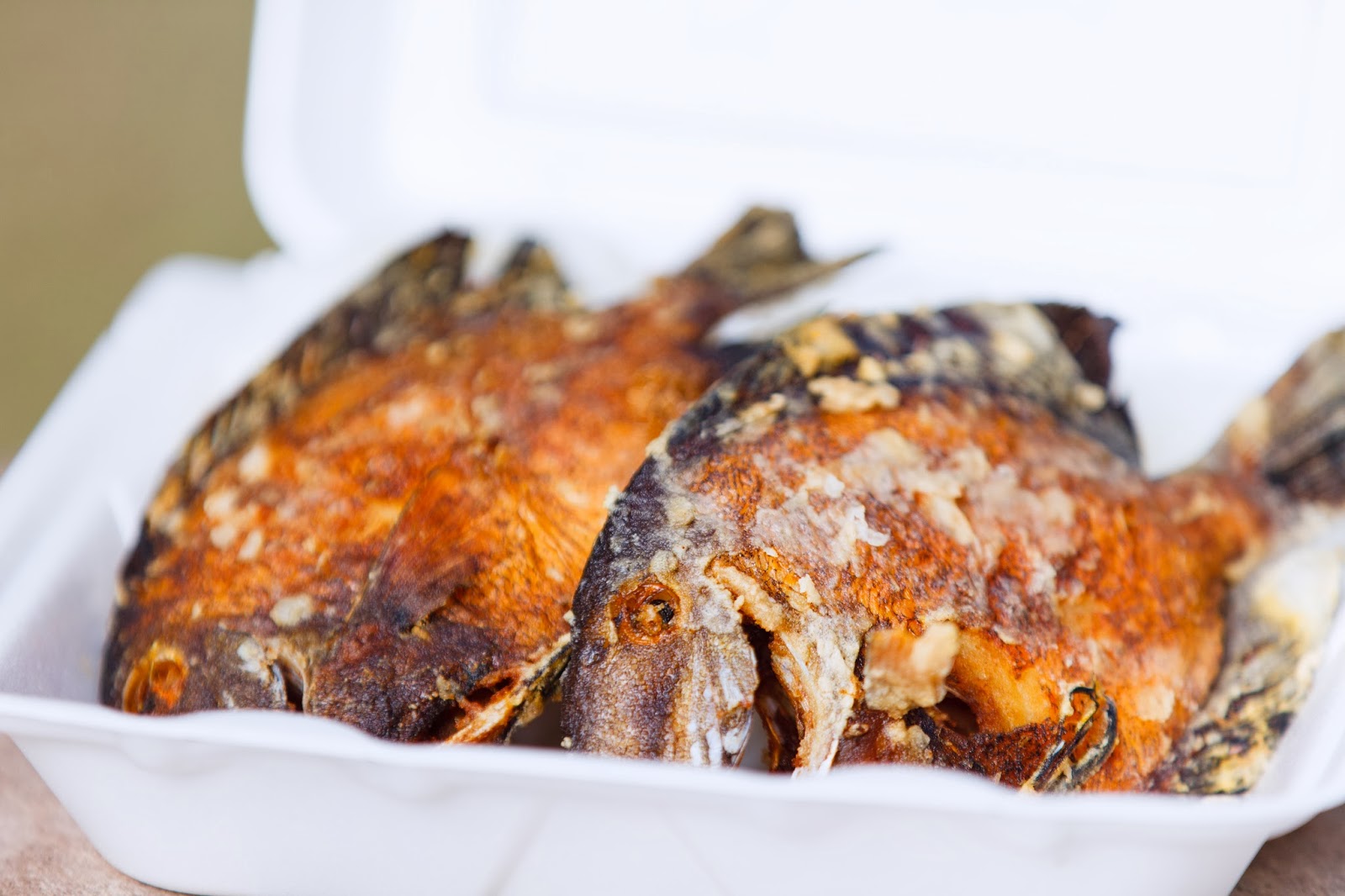
Another reason I like these words is that the kole fish is THE best reef fish in the WORLD! Of course, that’s my own humble opinion but you can double check with my friends and family on Moloka‘i and in Lā‘ie. There is nothing better. Fried. Hot. Side order poi. The song, He ‘Ono (by Bina Mossman), has a line in it about the kole fish, “ʻO ke kole ka i’a maka onaona lā.” The kole is the fish with the sweet eyes.

1312kole1So nothing wrong with calling your favorite person maka onaona. Either way it’s a compliment!

Copyright: 2015 – Liana Iaea Honda. All rights reserved. All versions of He Momi e Lei ai”, in its entirety, past and present, is the property of L. K. I. Honda. Reproduction and use of any kind other than the sharing of this website is prohibited. Alteration to the original content in any form is prohibited in every and any instance, and use in any other variant is prohibited without written consent of the author. Adress inquiries to: hemomi [at] gmail.com. Definitions and wise sayings are from: Hawaiian Dictionary by Pukui and Elbert, 1986. ʻŌlelo Noʻeau – Hawaiian Proverbs & Poetical Sayings by Mary Kawena Pukui, 1983.

Posted in Uncategorized | Leave a comment

Lolouila

Computer. Comb. lolo + uila. Also kamepiula, mīkini hoʻonohonoho ʻikena. Lolouila lawelima. Laptop computer. Also kamepiula lawelima.

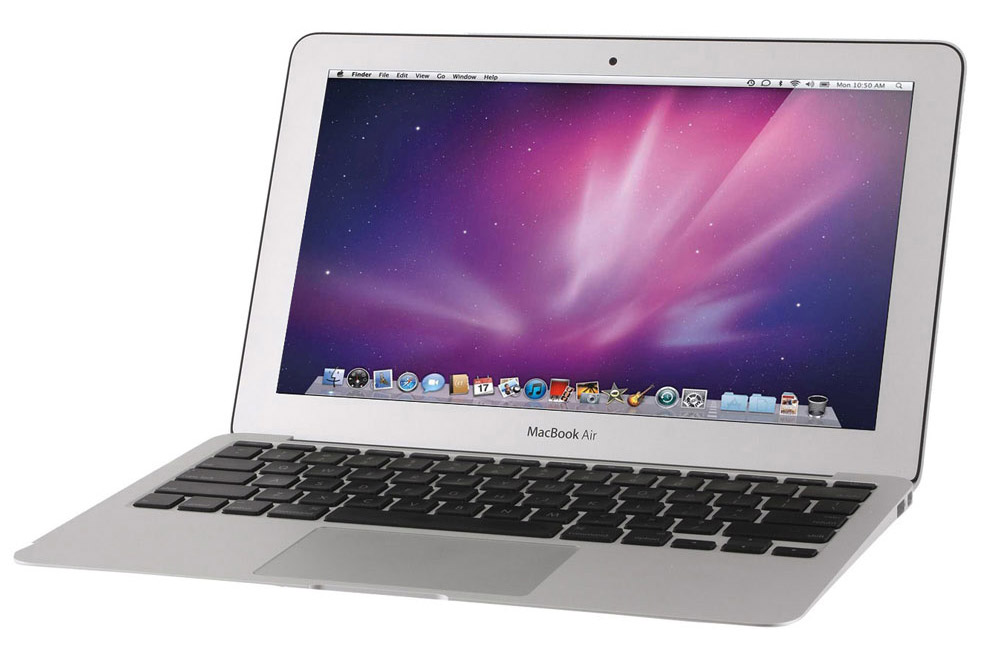
The words I choose each day are driven, frequently, by things going on in my life (#ifyouknowyouknow). Such is the case with today’s word: lolouila. Computer. I took a trip to the Apple Store and proceeded to buy myself a new lolouila. A MacBook Air to be exact.

297548-apple-macbook-air-11-inch-mid-2012

You may be familiar with another word for computer in Hawaiian: kamepiula. And obviously kamepiula is a transliteration of the word computer. Just by changing some key letters and adding vowels in so there are no consonant clusters (two consonants next to each other), you can basically turn any English word into Hawaiian (don’t try this at home). Other examples of transliterated words are: kaona – town; paikikala – bicycle; kalipa – slipper. See how it sounds like its English counterpart?

When computers first came into play, though, the first word that was developed was: lolouila. Breaking it down:

lolo = brain

uila = electric

Make sense to you? Electric brain. Kinda how a computer was viewed back in the day, right? Some of you may be thinking, geez, there is no way you can compare a computer to a brain. A brain is so much smarter. To that I say, PHOOEY! The way some people act today, I am CONFIDENT there are lolouila way smarter than some human beings.

Ua kūʻai au i lolouila hou – I bought a new computer.

He aha ke ʻano o kāu lolouila? – What kind of computer do you have?

Copyright: 2015 – Liana Iaea Honda. All rights reserved. All versions of “He Momi e Lei ai”, in its entirety, past and present, is the property of L. K. I. Honda. Reproduction and use of any kind other than the sharing of this website is prohibited. Alteration to the original content in any form is prohibited in every and any instance, and use in any other variant is prohibited without written consent of the author. Address inquiries to: hemomi [at] gmail.com. Definitions and wise sayings are from: Hawaiian Dictionary by Pukui and Elbert, 1986. ʻŌlelo Noʻeau – Hawaiian Proverbs & Poetical Sayings by Mary Kawena Pukui, 1983.

Posted in Uncategorized | Leave a comment

Polapola

nvi. Recovered from sickness; well, after sickness; to get well, convalesce; filling out, as after loss of weight; sprouting, as a bud. Polapola iki, a little better. ho’o.pola.pola To cure, make get well; to fill out, as after sickness.

Everyone seems to be getting or recovering from an illness, either a sore throat, a cold, flu. Several of my friends are down and out this week. Then there are those whose illnesses are a bit more serious. Insert a sad face here because being under the weather SUCKS! I hate it. But there is nothing like being sick that makes you realize how fabulous good health is.

I thought it might be useful to learn today’s word: Polapola. In English, when someone is recovering from illness, we just say that they are getting better, recovering, getting well. In Hawaiian polapola is just the word you’re looking for when you want to say that you or someone you know is getting better. And what happens frequently when we get sick is that we lose weight (one aspect of getting sick that I welcome) and a lot of people just don’t look the same until they start “filling out” again. When that starts happening, you can refer to the “filling out” as polapola.

Here are some sentences you might choose to use:

Ke polapola nei ‘o ia.

S/he is getting better.

Ua polapola maika’i ko’u hoa.

My friend recovered well.

E polapola ana au.

I am going to get better.

Copyright: 2015 – Liana Iaea Honda. All rights reserved. All versions of He Momi e Lei ai”, in its entirety, past and present, is the property of L. K. I. Honda. Reproduction and use of any kind other than the sharing of this website is prohibited. Alteration to the original content in any form is prohibited in every and any instance, and use in any other variant is prohibited without written consent of the author. Adress inquiries to: hemomi [at] gmail.com. Definitions and wise sayings are from: Hawaiian Dictionary by Pukui and Elbert, 1986. ʻŌlelo Noʻeau – Hawaiian Proverbs & Poetical Sayings by Mary Kawena Pukui, 1983.

Posted in Uncategorized | 2 Comments

Nīele

nvs. To keep asking questions; inquisitive, curious, plying with frivolous questions (often used in pejorative sense, as of a busybody asking things that do not concern him); to quiz, pump; question.

Yesterday’s word, maha‘oi, is often confused with today’s word, nīele. While mahaʻoi is more about just being rude, sticking your face in someone else’s business, nīele is just that irritating asking too many questions when you just basically need to BE QUIET AND WATCH AND LISTEN AND DO.

Hawaiians have these phrases to say about how to actually learn something:

Nānā ka maka, hoʻolohe ka pepeiao, paʻa ka waha, hana ka lima – Look with your eyes, listen with your ears, keep your mouth shut, do it with your hands.

And that is how you learn best. Never mind your question. Hoʻomanawanui – be patient. And in due time, when the time is right, your questions will be answered without even being asked.

Okay, don’t get me wrong…being curious is great. But must you ask all those questions at the same time? This makes me think about Papa Mau. Mau Piailug. I never had the good fortune of learning from him. I am just grateful to have seen him in the flesh. And listen to him speak. But I do know that he didnt become a master navigator in Satawal by asking a million questions. Yet there are millions that needed to be answered in order to navigate the Pacific Oean.

If someone calls you nīele that means that, basically, they are a bit annoyed by all your questions. Like over it! HUSH!

Nīele kēlā keiki ma ʻō – That child over there is so inquisitive.

Mai nīele – Don’t be so inquisitive (and trust me, I don’t mean it in a negative sense).

Copyright: 2015 – Liana Iaea Honda. All rights reserved. All versions of He Momi e Lei ai”, in its entirety, past and present, is the property of L. K. I. Honda. Reproduction and use of any kind other than the sharing of this website is prohibited. Alteration to the original content in any form is prohibited in every and any instance, and use in any other variant is prohibited without written consent of the author. Adress inquiries to: hemomi [at] gmail.com. Definitions and wise sayings are from: Hawaiian Dictionary by Pukui and Elbert, 1986. ʻŌlelo Noʻeau – Hawaiian Proverbs & Poetical Sayings by Mary Kawena Pukui, 1983.

Posted in Uncategorized | Leave a comment

Mahaʻoi

Bold, impertinent, impudent, insolent, nervy, cheeky, rude, forward, presumptuous, saucy, brazen.

Anyone who has heard this word before knows it’s not a good thing. While boldness may be appreciated by some, it goes against the grain of acceptable behavior.  Mahaʻoi literally means “sharp temple” or in other words, you’re sticking your head out, in a place it doesn’t belong.

Being self-assertive and aggressive is mahaʻoi.   Some examples of being mahaʻoi would be dominating a conversation, volunteering to do something in an attention seeking way (this is one reason why you don’t see a lot of Hawaiians volunteering to do things, I think. Seriously. As a teacher I know this to be true. But approach them directly asking them to help and they will be there!), going through someone’s house, inspecting their rooms and possessions. These are all VERY mahaʻoi. Anytime you feel the urge to say “Mind your own business” it’s because someone is being mahaʻoi. It is one of the reasons for the clash Hawaiian culture with Western culture. Not being mahaʻoi, at times, can leave you in the dust.   Sometimes it’s a difficult thing for us to weigh…should I be more forward, which goes against my grai, and push my way to the front of the line and make myself heard, which feels uncomfortable? The struggle is real!

Mahaʻoi is a verb.

Keu nō ho‘i ‘oe he keiki maha‘oi – My goodness you are such a rude child.

Mai maha‘oi mai – Don’t be so forward to me.

Ua nui kona mahaʻoi – She was super nosey.

Copyright: 2015 – Liana Iaea Honda. All rights reserved. All versions of He Momi e Lei ai”, in its entirety, past and present, is the property of L. K. I. Honda. Reproduction and use of any kind other than the sharing of this website is prohibited. Alteration to the original content in any form is prohibited in every and any instance, and use in any other variant is prohibited without written consent of the author. Adress inquiries to: hemomi [at] gmail.com. Definitions and wise sayings are from: Hawaiian Dictionary by Pukui and Elbert, 1986. ʻŌlelo Noʻeau – Hawaiian Proverbs & Poetical Sayings by Mary Kawena Pukui, 1983.

Posted in Uncategorized | Leave a comment

Maha

nvs. Rest, repose, vacation; freedom from pain; at ease, comfort. See mahamaha 2. ho’o.maha Vacation; to take a rest or vacation; to retire, stop work; to obtain relief; to pause; rest in music.

There’s something about the summer. While it is probably one of the busiest times of the year (second maybe to Christmas), it is also a time to hoʻomaha – rest. Maha – rest. I know that’s what all my teacher friends have planned!

Thus, today’s He Momi is maha. Rest, repose, at ease. Vacation is hoʻomaha. E hoʻomaha kākou – Let’s take a rest. Ua hoʻomaha ʻo ia – He rested (retired). The word maha connotates feelings of utter freedom. Relief. Ua maha koʻu naʻau – My naʻau is at ease. In other words, I feel good about it (whatever it may be).

Hoʻomaha ʻole ke kai a Mokupaoa – The sea of Mokupaoa never rests (Said of anything or anyone who goes on and on without resting. Mokupaoa is a place name.)

Kuʻu ka luhi, ua maha -He has let down his weariness and is at rest (He is dead. He has left all his labors, all that wearied his mind and body, and now he is at peace).

Copyright: 2015 – Liana Iaea Honda. All rights reserved. All versions of He Momi e Lei ai”, in its entirety, past and present, is the property of L. K. I. Honda. Reproduction and use of any kind other than the sharing of this website is prohibited. Alteration to the original content in any form is prohibited in every and any instance, and use in any other variant is prohibited without written consent of the author. Adress inquiries to: hemomi [at] gmail.com. Definitions and wise sayings are from: Hawaiian Dictionary by Pukui and Elbert, 1986. ʻŌlelo Noʻeau – Hawaiian Proverbs & Poetical Sayings by Mary Kawena Pukui, 1983.

Posted in Uncategorized | 2 Comments