Pākīkē

nvt. To answer saucily or rudely; rude, sarcastic, insolent, saucy, impudent; rudeness. Cf. -kīkē, ʻuʻu. Pākīkē ʻia (For. 4:291), insulted, taunted, jeered at. hoʻo.pā.kī.kē Caus/sim.

It is truly enlightening when you find that there are several great words in Hawaiian for rude, almost like a 50 shades of rude. Like are you haughty rude, sassy rude, nosey rude? What kind of rude are you today? Because if you’rerude, let me tell you, I got a word for you. Pākīkē.

Pākīkē kēlā kanaka ma ʻō – That man over there is rude.

Mai hana pākīkē – Dont be rude.

Hoʻokīkē is when you have that rude response. All ready. Yeah, all you sarcastic ones out there. Memorize it. Kīkē means back and forth. Imagine that you prepare your with response for your opponent and it ends up being that back and forth action.

Hoʻokīkē akula ‘o ia i ke kumu – He responds rudely to the teacher.

Copyright: 2015 – Liana Iaea Honda. All rights reserved. All versions of He Momi e Lei ai”, in its entirety, past and present, is the property of L. K. I. Honda. Reproduction and use of any kind other than the sharing of this website is prohibited. Alteration to the original content in any form is prohibited in every and any instance, and use in any other variant is prohibited without written consent of the author. Adress inquiries to: hemomi [at] gmail.com. Definitions and wise sayings are from: Hawaiian Dictionary by Pukui and Elbert, 1986. ʻŌlelo Noʻeau – Hawaiian Proverbs & Poetical Sayings by Mary Kawena Pukui, 1983.
Posted in Uncategorized | Leave a comment

Kīkoʻolā

vi. 1. Sarcastic, rude, tart, impertinent, insolent.

Yesterday’s word, hoʻokano, referred to being haughty or conceited. Another similar word is kīkoʻolā, downright RUDE. This wasn’t a word used when I was growing up, unlike hoʻokano which was heard and used frequently. I learned kīkoʻolā when my keiki were at Pūnana Leo o Honolulu. Gosh, those were good times with Kumu Ipo, Kumu Ulu and Kumu Lolena. After taking over six years of Hawaiian language in high school and college, I must admit I never really understood until I began communicating with my own children.

Kīkoʻolā kāu hana – What you are doing is RUDE.

Keu nō hoʻi ʻoe he keiki kīkoʻolā – My goodness, aren’t you the rude child!

Copyright:

2015 – Liana Iaea Honda. All rights reserved. All versions of He Momi e Lei ai”, in its entirety, past and present, is the property of L. K. I. Honda. Reproduction and use of any kind other than the sharing of this website is prohibited. Alteration to the original content in any form is prohibited in every and any instance, and use in any other variant is prohibited without written consent of the author. Adress inquiries to: hemomi [at] gmail.com. Definitions and wise sayings are from: Hawaiian Dictionary by Pukui and Elbert, 1986. ʻŌlelo Noʻeau – Hawaiian Proberbs & Poetical Sayings by Mary Kawena Pukui, 1983.

Posted in Uncategorized | Leave a comment

Hoʻokano

hoʻo.kano Haughty, proud, conceited, rude, disdainful of others, insolent, vain; to act superior. ʻAi hoʻokano, proud eating; to eat food that one has not helped prepare.

When one acts like they are so much better than those around him, that type of rudeness is hoʻokano. I can hear my kupuna saying, “No be all hoʻokano.” Or getting scolding when I didn’t want to eat something because I thought wasn’t ʻono. That is full hoʻokano action. Yikes. Lickens. No like eat that? Starve then.

Hoʻokano kona ʻano – His way is so haughty.

He kanaka hoʻokano nō ʻo ia – He is, indeed, a rude person.

ʻAi hoʻokano – literally “proud eating.” Said of one who eats food that he has not helped prepare.

Stay tuned for more rude words!

Copyright:

2015 – Liana Iaea Honda. All rights reserved. All versions of He Momi e Lei ai”, in its entirety, past and present, is the property of L. K. I. Honda. Reproduction and use of any kind other than the sharing of this website is prohibited. Alteration to the original content in any form is prohibited in every and any instance, and use in any other variant is prohibited without written consent of the author. Adress inquiries to: hemomi [at] gmail.com. Definitions and wise sayings are from: Hawaiian Dictionary by Pukui and Elbert, 1986. ʻŌlelo Noʻeau – Hawaiian Proverbs & Poetical Sayings by Mary Kawena Pukui, 1983.

Posted in Uncategorized | Leave a comment

Hili

1. nvt. To braid or plait, as a lei or candlenuts; a braid, plaiting, string. See lei hili. Ka hili ʻana i ka lauoho (1 Pet. 3.3), the plaiting of the hair. (PPN firi.)

2. vi. To turn aside, deviate, miss the way, wander, stray. Cf. hilikau, pūhili. Mea hili i hope, straggler. Ua pā hili, rain blown by wind in various directions. Mai hili ʻiʻo paha au inā ʻaʻole kēia kamaʻāina, I might have gone quite astray had it not been for this native of the place. hoʻo.hili Caus/sim.; to lead astray. (PPN fili.)

3. nvt. To whip, smite, thrash, switch, bat; batter, as in baseball; stroke, as in fighting. Mea hili kinipōpō, batter. hoʻo.hili Caus/sim.; to pretend to whip, to whip gently.

4. n. Bark used in dyeing, as hili kukui, hili kōlea, hili noni; the dark-brown dye made from this bark; a tapa dyed with hili; to dye with hili.

Okay, talking about childhood games…(remember marbles from yesterday?)…

Did any of you play sky-hili? We are having a bit of a debate with some Oʻahu friends…is it skyhili? Skyhini? Skahili? I have tried to reason that the game is sky-hili because hili is the word for hit or bat. Remember this game? You lay a stick on the ground (like a broom handle). Someone rolls the baseball towards the stick (like a pitcher), it hits the stick, pops into the air (sky) and if you catch it, you win. Now exactly what or how you win if you catch it, seems to escape my  memory. It must be that all the glory was in just catching that fly ball.

Kinipōpō hili is the common word for baseball, and pōhili is the word for baseball, as in the game.

Pono au e hopu i ke kinipōpō hili – I have to catch the baseball.

E pāʻani kākou i ka pōhili – Let’s play baseball.

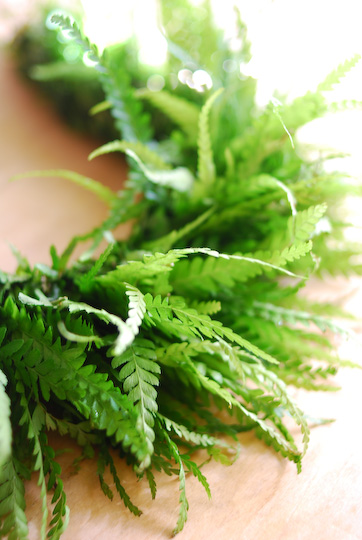
Besides hili meaning hit or bat, hili also refers to a method of lei making in which one material is braided, such as palapalai ferns. If you braid hair you also hili lauoho. If you add a second material to the braid (hair or lei) it is no longer known as hili, but rather haku, a term that is commonly used today for lei that are fashioned together in any method other than kui (sewn). But haku is braiding with two or more materials.

d0086668_1814275

I anxiously await the sky-hili stories.

Copyright:

2015 – Liana Iaea Honda. All rights reserved. All versions of He Momi e Lei ai”, in its entirety, past and present, is the property of L. K. I. Honda. Reproduction and use of any kind other than the sharing of this website is prohibited. Alteration to the original content in any form is prohibited in every and any instance, and use in any other variant is prohibited without written consent of the author. Adress inquiries to: hemomi [at] gmail.com. Definitions and wise sayings are from: Hawaiian Dictionary by Pukui and Elbert, 1986. ʻŌlelo Noʻeau – Hawaiian Proverbs & Poetical Sayings by Mary Kawena Pukui, 1983.
Posted in Uncategorized | Leave a comment

Hāpuʻupuʻu

1. n. Young hāpuʻu ferns that have not yet developed trunks.

2. n. Young stage of hāpuʻu fish.

3. Same as ʻāpuʻupuʻu; rough, bumpy, pimpled; impediment, as of speech; to speak with an impediment; obscured, as by mist.

4. n. A mound, as for playing marbles. Also haʻapuʻu, hoʻopuʻupuʻu.

5. Same as hāʻupuʻupu, sweet potato sprouts.

6. Same as hāpuʻu, taro: the plant is said to be distinguished by its leaf stems: yellow-green above, and dark brownish on lower half. The corms yield good light-colored poi, the leaves good greens. This name is qualified by the terms ʻeleʻele, keʻokeʻo, and maoli. (HP 17, 32.)

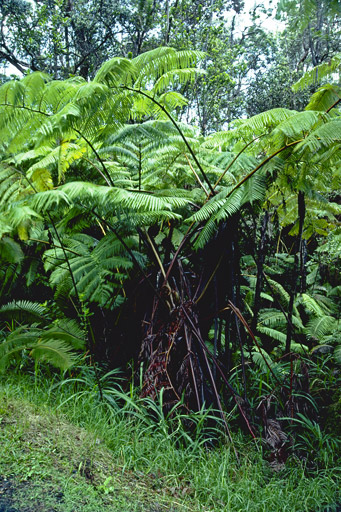
Okay, here in Hawaiʻi most people know the hāpuʻu fern.

HV-63But do you remember playing marbles small kid time (OH GEEZ WHERE HAS THE TIME GONE?). Had one hand spam, kinkini or kini and hapupū? Well, that hapupū, as we used to pronounce it, is actually hāpuʻupuʻu. An instance of lost in pronunciation. As far as marbles are concerned, hāpuʻupuʻu was that mound you made out of the dirt you were playing in. What was the hāpuʻupuʻu purpose? I cannot remember. Get a higher shot to the marbles below?

I loved playing marbles. I bet a lot of you can remember what you best kini looked like. You know, your favorite marble. What it a clear? A bamboocha? Cat eyes? And remember using that blue velvet crown royal bag for your marbles? I never had one so I was envious of those who did. My dad was a beer drinker.

Those were the days. Hey, if you have a marble memory or another terminology to add to the words above, leave me a comment! Or if you can clarify the hāpuʻupuʻu purpose!

846_Lose-Your-Marbles! (2)

Copyright:

2015 – Liana Iaea Honda. All rights reserved. All versions of He Momi e Lei ai”, in its entirety, past and present, is the property of L. K. I. Honda. Reproduction and use of any kind other than the sharing of this website is prohibited. Alteration to the original content in any form is prohibited in every and any instance, and use in any other variant is prohibited without written consent of the author. Adress inquiries to: hemomi [at] gmail.com. Definitions and wise sayings are from: Hawaiian Dictionary by Pukui and Elbert, 1986. ʻŌlelo Noʻeau – Hawaiian Proverbs & Poetical Sayings by Mary Kawena Pukui, 1983. 

Posted in Uncategorized | Leave a comment

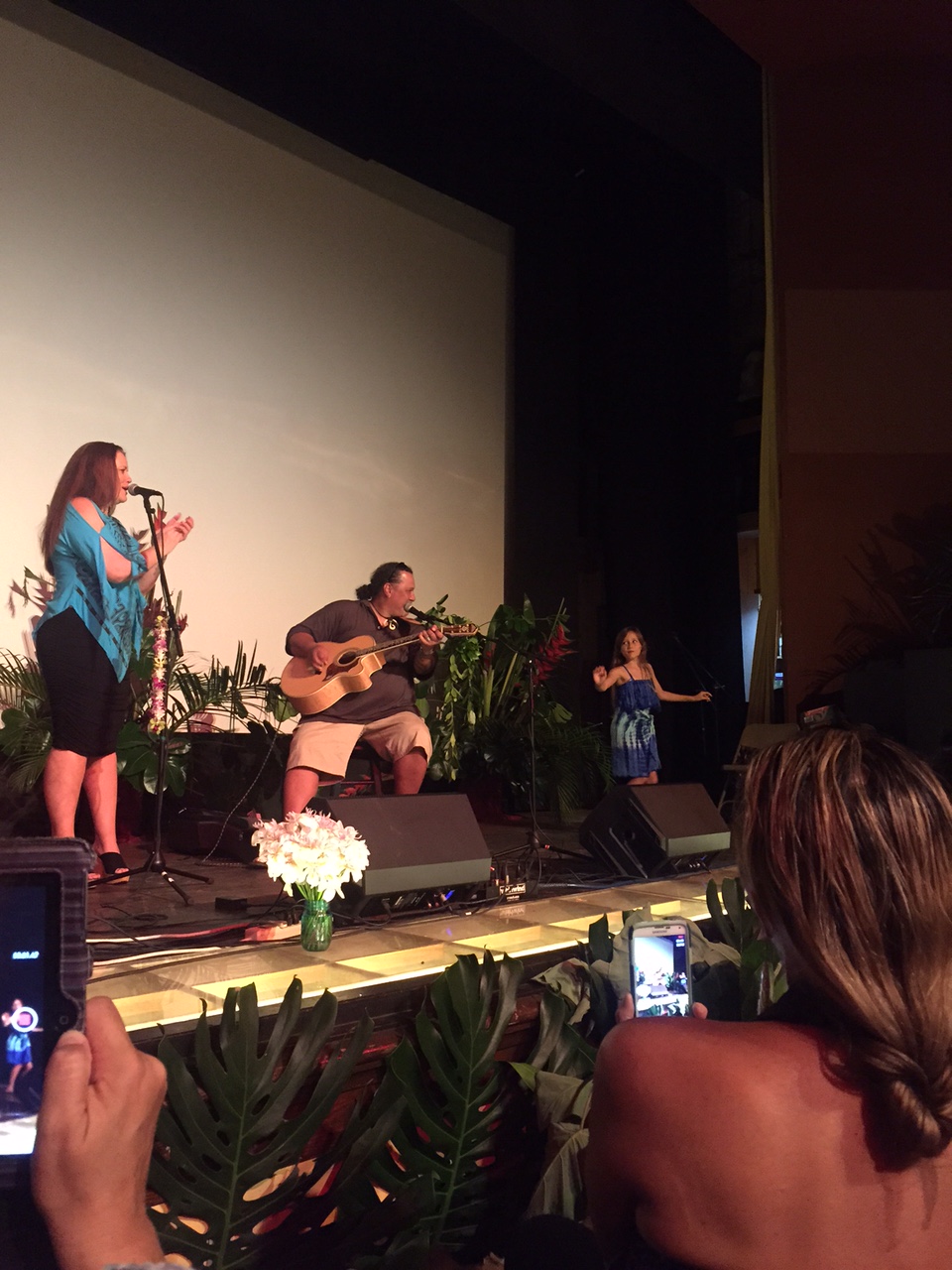
ʻAha Mele

n. Concert, song concert, song festival.

The word, ʻaha, means meeting, assembly, gathering, convention, court, party. Mele is the word for song or chant. Together ʻaha mele refers to a song/chant gathering, a concert!

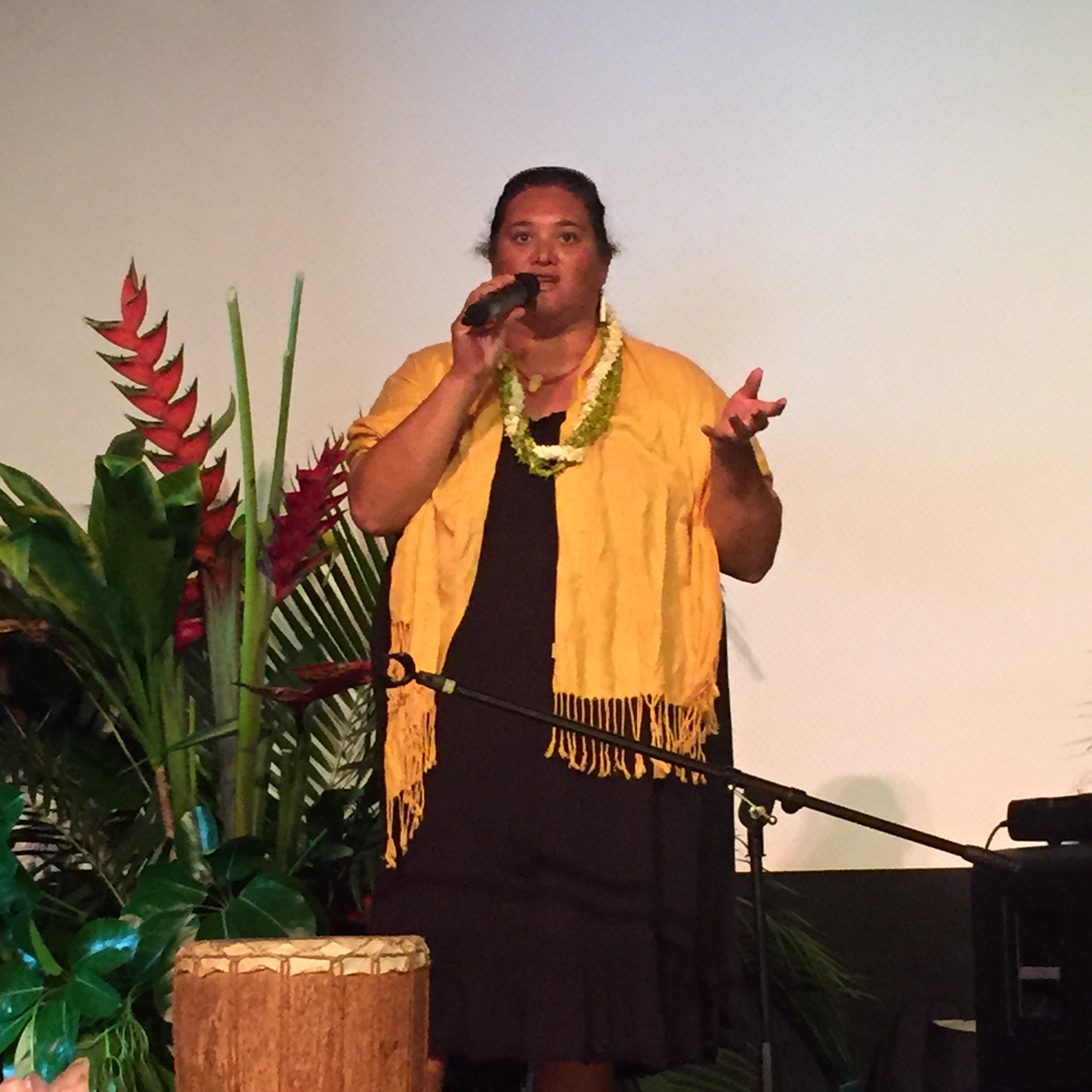
So grateful to have attended a benefit concert last night for Mauna Kea. What an incredible evening it was. And true to the meaning of mele, this ʻaha mele was filled with song AND chant.

Our bodies, minds, souls were bless with the mele of Paula Fuga, John Cruz, Hāwane Rios, Amy Hanaialii and Willie K.

We were greeted with mele in the form of chant and we were sent home with chant.

Mahalo nui, Pua Case and your ʻohana, and all the Mauna Kea Hui, Mauna Kea ʻOhana, for all you have done, are currently doing, and continue to do. You have been caring for our mauna for years, unfailingly, when few others were. And I, for one, am grateful. Aloha to you, your kāne, Kalani, and your kaikamāhine.

My heart is filled with gratitude and aloha.

Ua nani ka ʻaha mele – The concert was beautiful.

Ua nahenahe wale nā leo hīmeni ma ka ʻaha mele – The singers at the concert were beautiful.

He ʻaha mele helu ʻekahi nō ia – The concert was the best.IMG_1973 IMG_1976 IMG_1995 IMG_2004 IMG_2014 IMG_2022 IMG_2007

Copyright:

2015 – Liana Iaea Honda. All rights reserved. All versions of He Momi e Lei ai”, in its entirety, past and present, is the property of L. K. I. Honda. Reproduction and use of any kind other than the sharing of this website is prohibited. Alteration to the original content in any form is prohibited in every and any instance, and use in any other variant is prohibited without written consent of the author. Adress inquiries to: hemomi [at] gmail.com. Definitions and wise sayings are from: Hawaiian Dictionary by Pukui and Elbert, 1986. ʻŌlelo Noʻeau – Hawaiian Proberbs & Poetical Sayings by Mary Kawena Pukui, 1983.

Posted in Uncategorized | Leave a comment

Hoʻokano

Haughty, proud, conceited, rude, disdainful of others, insolent, vain; to act superior. ʻAi hoʻokano, proud eating; to eat food that one has not helped prepare.

When one acts like they are so much better than those around, that type of rudeness is hoʻokano. In my youth, if someone acted like something was not “good enough”, maybe it was food or a task or an activity, wow, would we hear it! “NO BE ALL HOʻOKANO!” Or I heard, at times, “Oh dat one, so hoʻokano!”

The opposite of hoʻokano would probably be haʻahaʻa – humble, humility. A much finer trait for living day to day.

Hoʻokano kona ʻano – his way is so haughty. He kanaka hoʻokano nō ʻo ia – She is, indeed, a rude person.

Try your best not to be hoʻokano today.

Copyright: 2015 – Liana Iaea Honda. All rights reserved. All versions of He Momi e Lei ai”, in its entirety, past and present, is the property of L. K. I. Honda. Reproduction and use of any kind other than the sharing of this website is prohibited. Alteration to the original content in any form is prohibited in every and any instance, and use in any other variant is prohibited without written consent of the author. Adress inquiries to: hemomi [at] gmail.com. Definitions and wise sayings are from: Hawaiian Dictionary by Pukui and Elbert, 1986. ʻŌlelo Noʻeau – Hawaiian Proberbs & Poetical Sayings by Mary Kawena Pukui, 1983.

Posted in Uncategorized | Leave a comment

Kiloi

vt. To throw away, discard, throw.

I had a great conversation on the telephone this morning with my daughter, talking about getting rid of all the “stuff” in our lives (she is inspired by this book). The word for all of this purging is kiloi. Throw away.

E kiloi i ka ʻōpala – Throw away the rubbish.

We think we “need” so much nowadays. We want to be so modern in our lifestyles that we accumulate so much stuff that will make our lives go smoother, run better, cook faster, sound sweeter, and on and on. And we don’t even have the time to really enjoy it because we are working so hard to maintain that lifestyle.

Kiloi the crap. And sit back to enjoy the nothingness. Hey, our kupuna didn’t even need all the shelves and cabinets and drawers and storage units. Some people today (couples no less) can live in “mini houses” that are less than 500 sq ft. And guess what? THEY ARE HAPPY.

I am going to read this book and get started.

E hoʻomaka ana au e kiloi i kēlā mea kēia mea o ka hale – I am going to begin throwing everything out at home.

Copyright:

2015 – Liana Iaea Honda. All rights reserved. All versions of He Momi e Lei ai”, in its entirety, past and present, is the property of L. K. I. Honda. Reproduction and use of any kind other than the sharing of this website is prohibited. Alteration to the original content in any form is prohibited in every and any instance, and use in any other variant is prohibited without written consent of the author. Adress inquiries to: hemomi [at] gmail.com. Definitions and wise sayings are from: Hawaiian Dictionary by Pukui and Elbert, 1986. ʻŌlelo Noʻeau – Hawaiian Proberbs & Poetical Sayings by Mary Kawena Pukui, 1983.

Posted in Uncategorized | Leave a comment

Kiaʻāina

n. Governor; governorship.

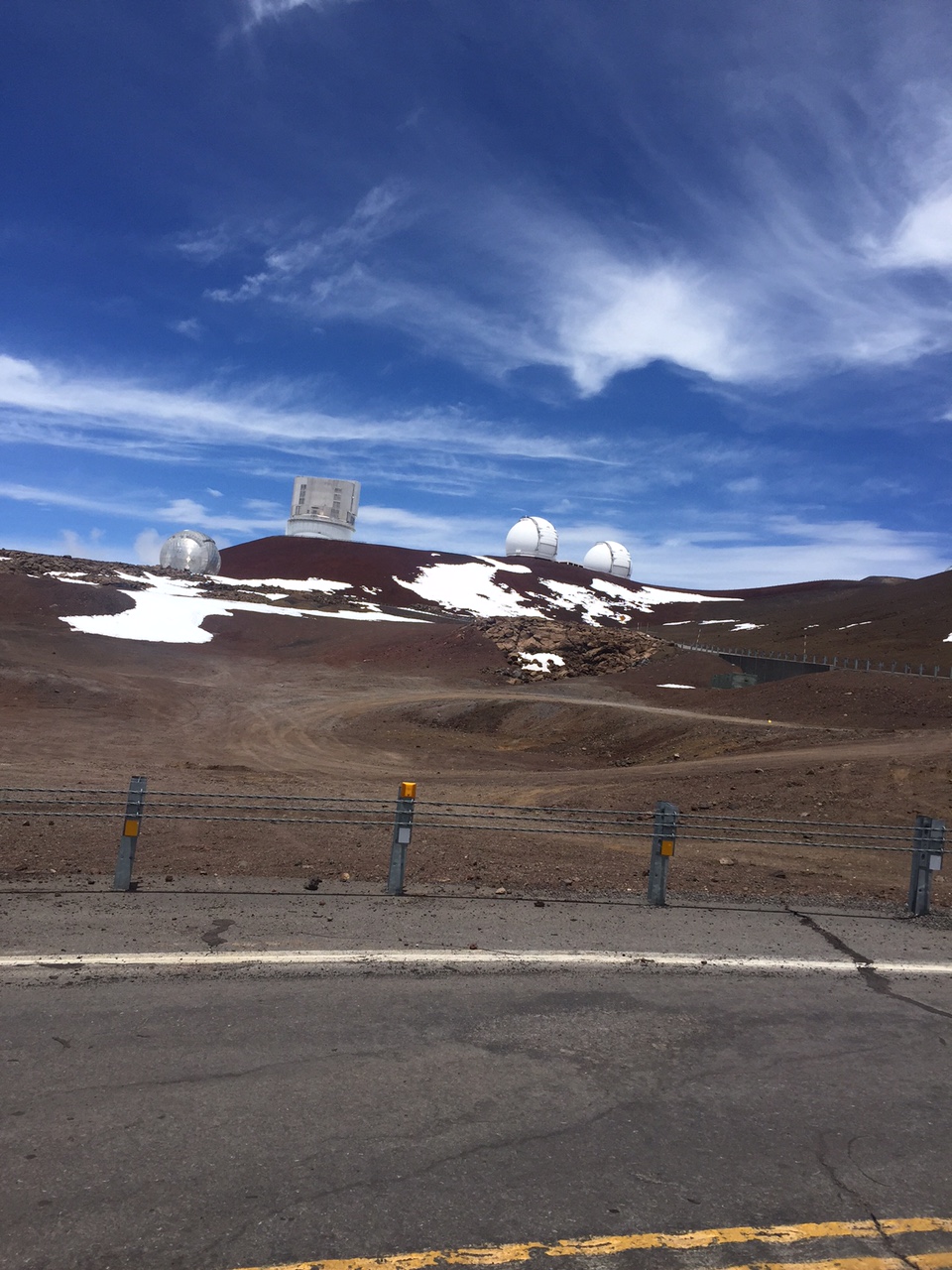
Our kiaʻāina, Ige, was in the news (or moreso not as he had his chief of staff and deputy director to DLNR wait outside his office to receive the visitors), yesterday as many in our state, wearing red, marched from the OHA offices in downtown Honolulu to the state capitol on Beretania Street. At issue is the building of the Thirty Meter Telescope atop Mauna Kea. The Kū Kiaʻi Mauna warriors, as well as their supporters, wanted to meet with the kiaʻāina to ask him to intervene in the process until a ruling could be made by the court.

I find it interesting that the Hawaiian word for governor, kiaʻāina, literally means “land pillar.” Kia translates as: pillar, prop, post, pole; mast of a ship. So, in essence, a governor is seen as one who is a pillar for the ʻāina, the land.

I wonder if Kiaʻāina Ige has this in mind as he chooses to support TMT. Or not.

IMG_1332

Copyright:

2015 – Liana Iaea Honda. All rights reserved. All versions of He Momi e Lei ai”, in its entirety, past and present, is the property of L. K. I. Honda. Reproduction and use of any kind other than the sharing of this website is prohibited. Alteration to the original content in any form is prohibited in every and any instance, and use in any other variant is prohibited without written consent of the author. Adress inquiries to: hemomi [at] gmail.com. Definitions and wise sayings are from: Hawaiian Dictionary by Pukui and Elbert, 1986. ʻŌlelo Noʻeau – Hawaiian Proberbs & Poetical Sayings by Mary Kawena Pukui, 1983.
Posted in Uncategorized | Leave a comment

ʻAhaʻaina

nvi. Feast, dinner party, banquet; to feast, Lit., meal gathering. Many types of ʻahaʻaina are listed below. hō.ʻaha.ʻaina To feast, give a feast.

Literally, ʻahaʻaina means “meal gathering (ʻaha-gathering; ʻaina-meal). Hawaiian had many types of ʻahaʻaina. And we continue to honor this feast gathering. ʻAhaʻaina were held for enjoyment, celebration or to commune with and seek the help of the gods. Contrary to many beliefs that fasting is the way to bring one closer to one’s god, Hawaiians believed that feasting was the way to commune with gods. Maybe that’s why Hawaiians still enjoy a good party!Food, Hawaiians know, is important to the gods. That is why they frequently offer the first or best catch or fish to the altar of the fish god as well as their best produce from the crops that are grown. What we call a lūʻau today would have been called an ʻahaʻaina in older times. Lūʻau refers to the young taro leaves used to make lūʻau heʻe.

E hele kākou i ka ʻahaʻaina – Let’s go to the feast.

Ua ʻono ka ʻai ma ka ʻahaʻaina – The food at the feast was delicious.

Here are a couple of ʻōlelo noʻeau that doesn’t use our momi of the day but it does show the reverence Hawaiians have for food.

ʻO ke aka kā ʻoukou ʻo ka ʻiʻo kā mākou – Yours the shadow; ours the flesh. (A phrase used in prayers dedicating a feast to the gods. The essence of the food was the gods, and the meat was eaten by those present.)

Mai hoʻomāuna i ka ʻai o huli ʻauaneʻi ʻo Hāloa e nānā – Do not be wasteful of food lest Hāloa turn around and stare. (Do not be wasteful, especially of poi, because it would anger Hāloa, the taro god, who would someday let the waster go hungry.)

Copyright:

2015 – Liana Iaea Honda. All rights reserved. All versions of He Momi e Lei ai”, in its entirety, past and present, is the property of L. K. I. Honda. Reproduction and use of any kind other than the sharing of this website is prohibited. Alteration to the original content in any form is prohibited in every and any instance, and use in any other variant is prohibited without written consent of the author. Adress inquiries to: hemomi [at] gmail.com. Definitions and wise sayings are from: Hawaiian Dictionary by Pukui and Elbert, 1986. ʻŌlelo Noʻeau – Hawaiian Proberbs & Poetical Sayings by Mary Kawena Pukui, 1983.

Posted in Uncategorized | Leave a comment